
- Share
- Tweet
- Pin
- You are here:
- Home »
- Blog »
- Art History »
- Renaissance Art History
Renaissance Art: The Rebirth of Realism and Human Spirit
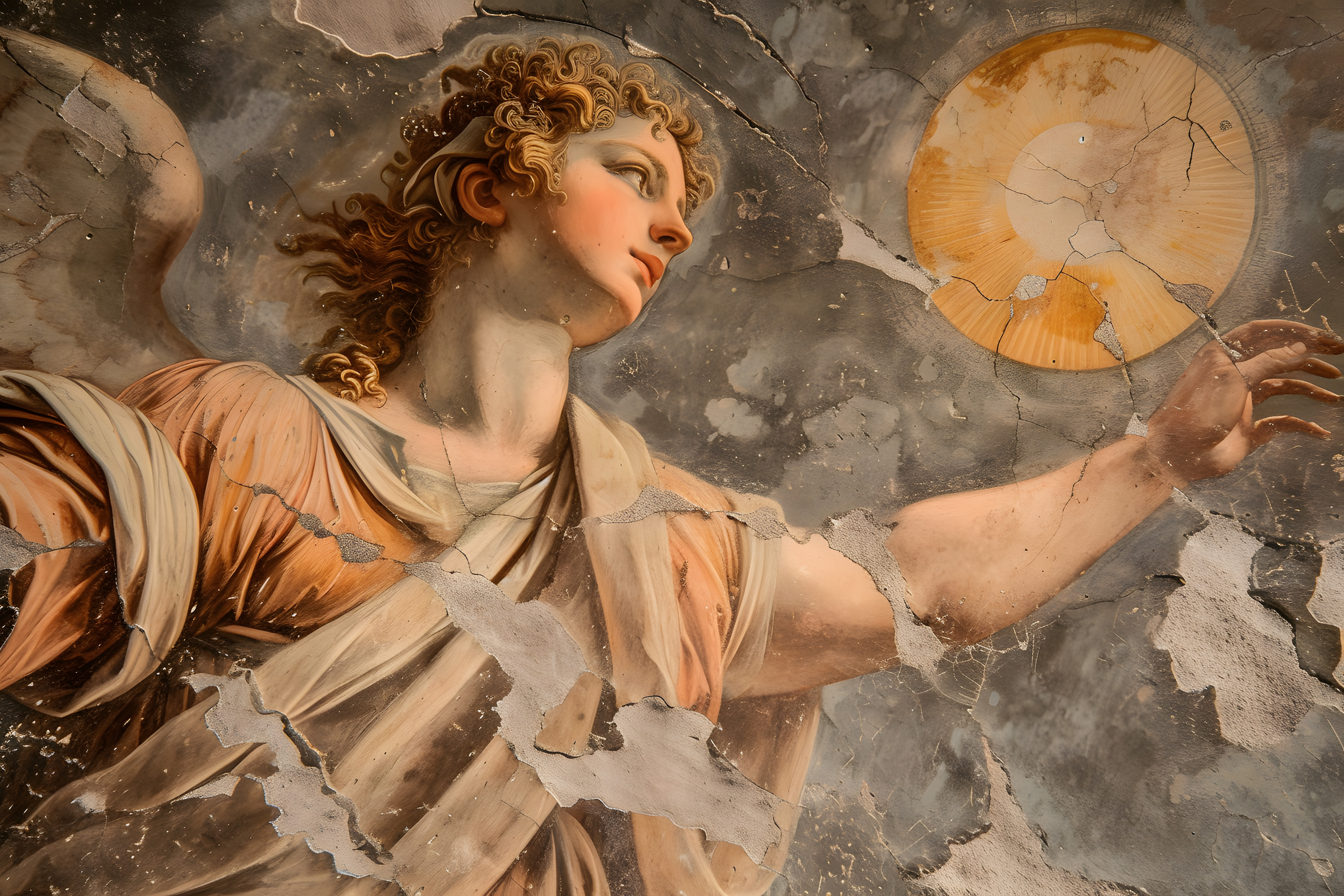
The transition from the late Middle Ages to the 14th century marked the beginning of "Rinascita"—the rebirth of classical knowledge known as the Renaissance. Moving away from the purely symbolic and stylized depictions of the Gothic period, Renaissance art placed humanity at the center of the universe. This era was characterized by an obsessive curiosity about the natural world, a rediscovery of Greek and Roman philosophy, and a revolutionary approach to mathematical space and biological anatomy.
At the heart of this revolution was a scientific advancement in Color Theory and light. For the first time, artists were not merely using color for symbolic religious purposes; they were using it to model form, create depth, and mimic the effects of the atmosphere. By mastering the relationship between light and shadow, Renaissance painters transformed flat wooden panels and plaster walls into three-dimensional windows through which viewers could witness the drama of human life.
According to the National Gallery, this period saw the emergence of the "Universal Man"—individuals like Leonardo da Vinci who excelled in art, science, and engineering, viewing these disciplines as inextricably linked.
Breakthrough Techniques of the Renaissance
The mastery of Renaissance art relied on several technical innovations that forever changed the course of Western painting:
1. Linear Perspective
Developed by the architect Filippo Brunelleschi and codified by Leon Battista Alberti, linear perspective allowed artists to create a convincing illusion of depth. By using a "vanishing point" on a horizon line, painters could organize space mathematically, ensuring that every element of the composition felt grounded and proportional.
2. Chiaroscuro and Sfumato
Leonardo da Vinci perfected the use of sfumato (meaning "smoky"), where colors and tones blend into each other so subtly that there are no perceptible transitions. This, combined with chiaroscuro—the strong contrast between light and dark—gave figures a startlingly lifelike volume and presence.
Artist Tip: Renaissance masters used "Atmospheric Perspective" to create distance. They noticed that as objects get further away, their colors become cooler, less saturated, and blurrier. Try adding a touch of blue-gray to your background colors to mimic this classic effect!
3. Oil Paint and Glazing
The shift from egg tempera to oil paint (perfected by Northern masters like Jan van Eyck) allowed for a much greater range of color intensity and transparency. Artists could apply thin "glazes" of translucent color over dried layers, resulting in a luminous depth that seemed to glow from within the canvas.
The Titans of the High Renaissance
The pinnacle of Renaissance art is often referred to as the High Renaissance (c. 1490–1527), centered primarily in Rome. This period was dominated by three legendary figures:
- Leonardo da Vinci: The quintessential Renaissance man, whose Mona Lisa and The Last Supper demonstrated an unmatched psychological depth and technical mastery of light.
- Michelangelo Buonarroti: A sculptor at heart, his work on the Sistine Chapel ceiling remains one of the most ambitious artistic feats in history, showcasing a profound understanding of human anatomy and monumental scale.
- Raphael: Known for the clarity and harmony of his compositions, his School of Athens is a perfect synthesis of classical philosophy and Renaissance spatial logic.
As documented by The Met’s Heilbrunn Timeline, these artists elevated the status of the artist from a mere craftsman to a divinely inspired intellectual.
Venice and the Power of Color
While Florence focused on disegno (drawing and structure), Venice became the center of colore. Venetian masters like Titian and Giorgione utilized the unique light of their lagoon city to create works defined by rich, saturated colors and expressive brushwork. Their approach influenced the Baroque era, demonstrating that color could be just as powerful a narrative tool as line and form.
From Darkness to Light: The Majesty of Gothic Art
Before the Renaissance rediscovered human realism, Gothic architects used stained glass to capture divine light. Explore the roots of the European artistic tradition here.
The legacy of Renaissance art is inescapable. It established the standards of beauty, composition, and technical skill that would dominate the Western world for five hundred years. By merging the rational inquiry of science with the transcendent power of creativity, Renaissance artists didn't just paint pictures; they redefined what it meant to be human. They taught us to see the world with clarity, to appreciate the dignity of the individual, and to understand that even the most complex reality can be mastered through the harmonious application of light, shadow, and color.