
- Share
- Tweet
- Pin
- You are here:
- Home »
- Blog »
- Color Theory »
- Mastering Interior Design Color Schemes
How to Master Interior Design Color Schemes for Your Home
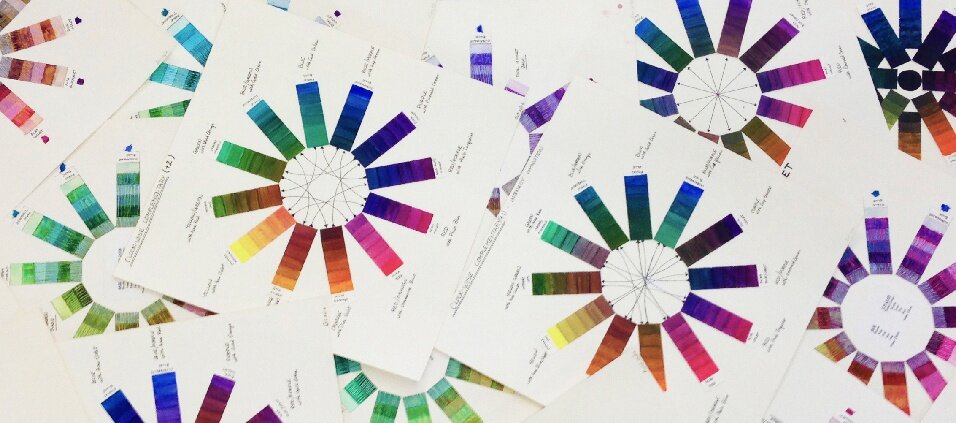
Color is the soul of a home. It has the power to transform a cold, empty room into a sanctuary of comfort. However, for many homeowners and decorators, choosing the right interior design color schemes can feel like a daunting task.
Have you ever stood in the paint aisle, staring at a thousand swatches of white, feeling completely paralyzed? You aren't alone. Creating a professional interior design color palette doesn't require a degree, but it does require a basic understanding of how colors interact with one another.
The secret to success lies in the same tool artists have used for centuries: the interior design color wheel. By using this simple guide, you can move away from "safe" beige and start embracing hues that truly reflect your personality.
The Foundation of Interior Color Schemes
When we talk about color in interior design, we are looking for harmony. Just like a beautiful painting, a room needs a balance of dominant, secondary, and accent colors. A common rule of thumb used by professionals is the 60-30-10 rule, which ensures your interior design color schemes remain balanced and pleasing to the eye.
According to experts at Architectural Digest, understanding the light in your room is just as important as the pigment itself. Before you finalize your interior color schemes, observe how the sun hits your walls at different times of the day.
Don't forget the architectural details! Many people overlook the doors and trim. If you are wondering about the best color for interior doors, classic charcoal or a soft navy can add a sophisticated touch that anchors the entire room. You can find more inspiration for your projects on our homepage, where we dive deep into mixing the perfect shades.
Quick Tips for Color Success
- Use the Wheel: Always refer to the interior design color wheel to find complementary or analogous colors.
- Sample First: Never buy a gallon of paint based on a tiny swatch. Test it on the wall!
- Consider Flow: Ensure your interior design color palette flows naturally from one room to the next to create a cohesive home.
- Authority Insight: As noted by Pantone, color trends change, but classic color theory remains the most reliable way to design a space.
Ultimately, interior design color schemes are about how a space makes you feel. Whether you want a vibrant, energetic kitchen or a calm, serene bedroom, the principles of color remain the same. Start with one color you love, use the wheel to find its partners, and watch your home come to life!