
- Share
- Tweet
- Pin
- You are here:
- Home »
- Blog »
- Color Theory »
- Bedroom Color Scheme
Choosing the Perfect Bedroom Color Scheme for Rest and Renewal
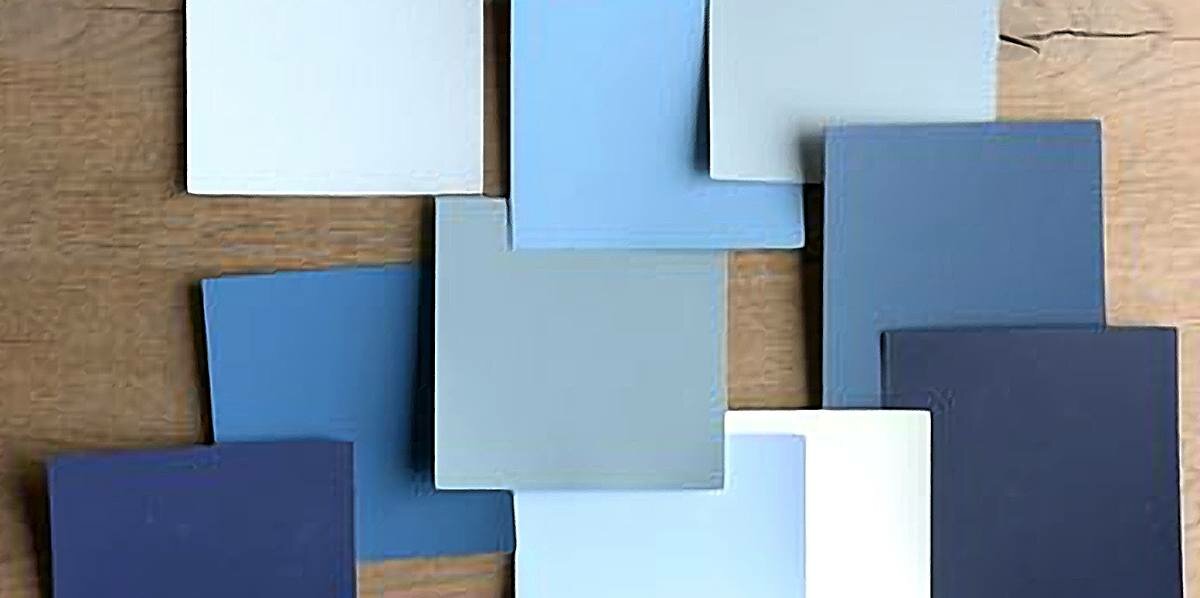
Your bedroom is arguably the most important room in your home. It is where you begin and end your day, making it a critical space for your mental health and physical recovery. When selecting a bedroom color scheme, you aren't just choosing a fashion trend; you are designing an environment that can either stimulate your brain or lull it into a deep, restful sleep.
Many homeowners struggle to find the right balance between "beautiful" and "restful." If your bedroom feels too energetic, it might be because your palette is too high in saturation. By applying the principles found on our homepage, you can learn to use the color wheel to mute these tones into calming bedroom colors that soothe the soul.
Experts at the Sleep Foundation agree that the environment of your room significantly impacts sleep quality. Light blue, for instance, is often cited as the top choice for a bedroom color scheme because it is associated with calmness and can actually help lower blood pressure.
Top Calming Bedroom Colors: A Detailed Breakdown
To help you navigate the sea of paint swatches, let's look at the specific calming colors for bedroom use and why they work so effectively.
1. The Serenity of Blue
Blue is the universal color of peace. From soft sky blue to deep navy, it consistently ranks as the most preferred color for bedrooms. Cool blues with a hint of gray are especially effective calming bedroom colors because they recede visually, making a room feel more spacious and airy.
2. The Earthy Comfort of Sage Green
Green sits at the center of the color wheel, representing balance. A muted sage or moss green connects the indoors with the natural world. This is one of the best calming colors for bedroom spaces because it feels both fresh and grounding, reducing the "noise" of a busy mind.
3. Sophisticated Neutrals and Greige
If you prefer a more modern bedroom color scheme, consider "greige"—a mix of gray and beige. Unlike a stark, cold white, greige provides warmth without the overwhelming yellow undertones of traditional cream. It serves as a perfect backdrop for soft textures and natural wood furniture.
4. Muted Lavender and Lilac
According to design insights from Better Homes & Gardens, purple in its most muted forms can offer the same calming effects as blue but with a bit more warmth and sophistication. Soft lavender is a classic choice for those who want a touch of color that remains firmly in the "restful" category.
How to Use the Color Wheel for Your Bedroom
When finalizing your bedroom color scheme, consider an analogous approach. This means picking colors that sit next to each other on the wheel—for example, a blue-green wall with soft blue bedding and darker green accents. This creates a low-contrast environment, which is much easier for the eyes to process at night.
Avoid high-contrast complementary schemes (like orange and blue) in the bedroom, as they create visual "vibration" that can keep the brain alert. Instead, stick to monochromatic layers of your favorite calming bedroom colors to create a cocoon-like effect.
What are Calming Colors? Create a Serene Home Sanctuary
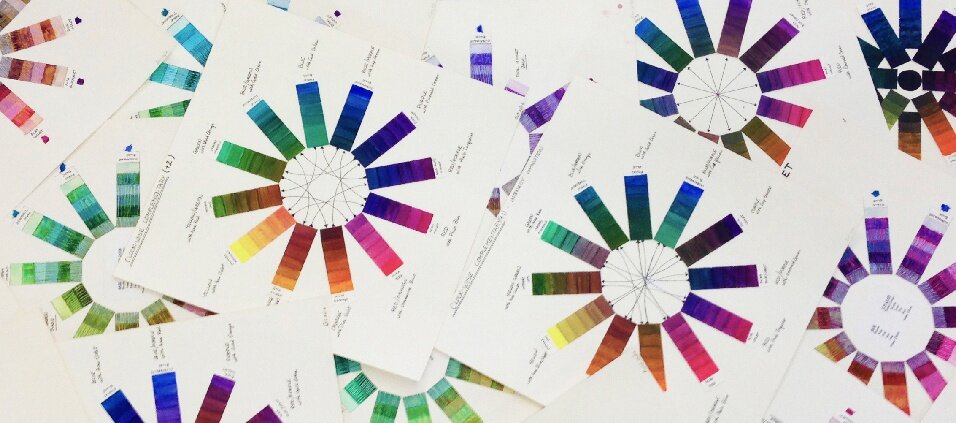
Want to explore the science behind these choices? Discover what are calming colors and how specific hues can help reduce anxiety throughout your entire home, not just the bedroom.
Ultimately, the best bedroom color scheme is one that makes you feel safe and relaxed the moment you walk through the door. Don't be afraid to experiment with large paint samples on different walls, as the shifting light from morning to night will change how you perceive your chosen calming colors for bedroom. Happy decorating!