
- Share
- Tweet
- Pin
- You are here:
- Home »
- Blog »
- Art History »
- Prehistoric Art History
Prehistoric Art: Unveiling the Origins of Human Creativity
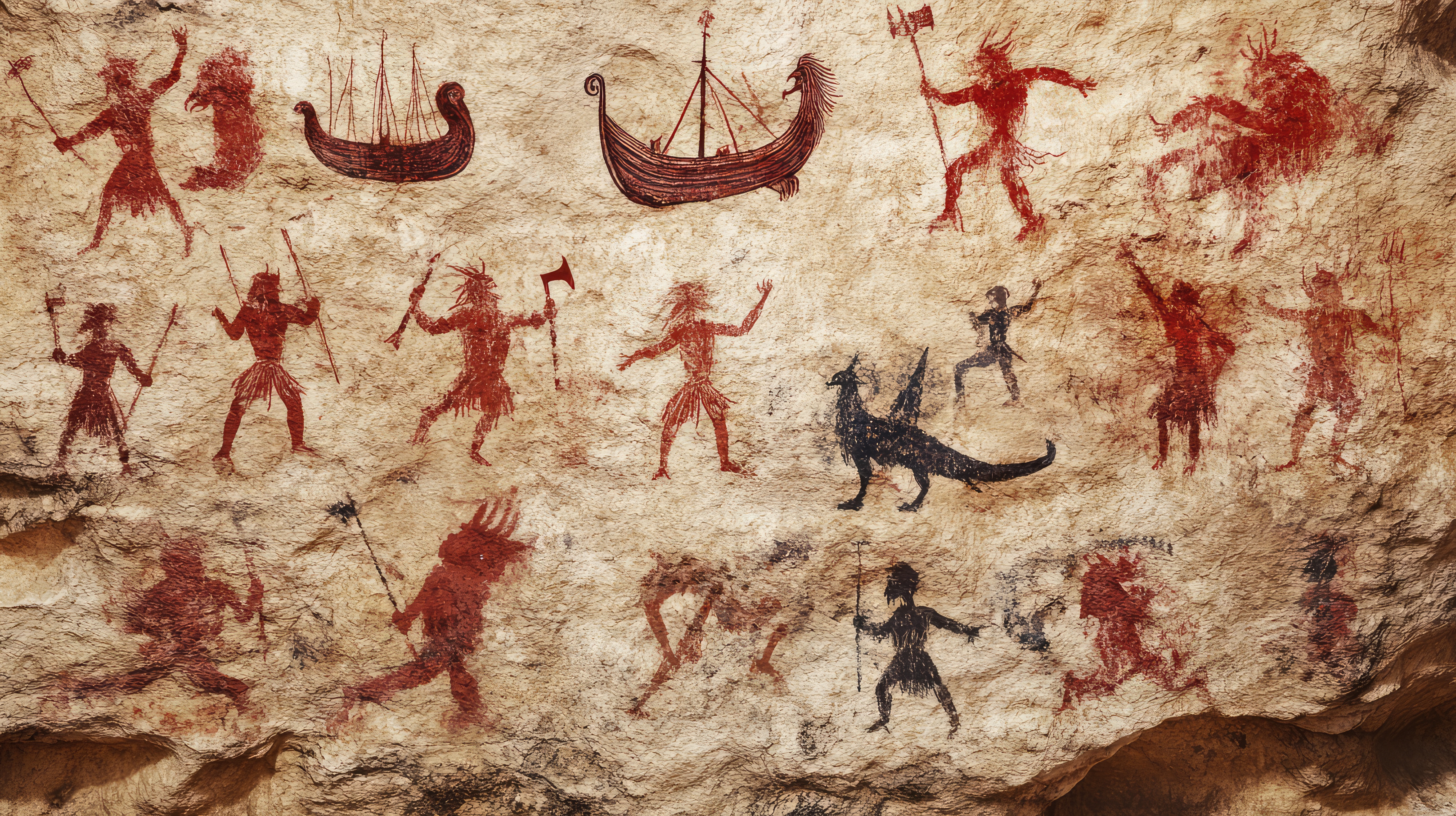
Long before the invention of the written word, humanity was already finding ways to express its experiences, fears, and triumphs through visual media. Prehistoric art represents the very beginning of the human story, a period spanning tens of thousands of years where the first artists mastered the use of natural pigments to decorate cave walls and carve intricate figurines. These ancient works are not just primitive sketches; they are sophisticated compositions that demonstrate a deep understanding of anatomy, movement, and perspective.
When we examine these early masterpieces, we see the foundations of what we now call Color Theory. Even with a limited palette of earth tones—reds, yellows, blacks, and whites—early humans were able to create vibrant, enduring images. By grinding minerals and mixing them with animal fats or water, they developed the first paints, proving that the desire to organize and utilize color is as old as humanity itself.
According to research highlighted by National Geographic, these artistic endeavors were likely tied to ritualistic, shamanic, or communicative purposes, helping prehistoric communities bond and share vital information about the world around them.
The Evolution of Prehistoric Art Eras
The timeline of prehistoric art is generally divided into three major periods, each showing an evolution in technique and subject matter:
1. The Upper Paleolithic (Old Stone Age)
This period, roughly 40,000 to 10,000 BCE, is the golden age of cave painting. Famous sites like Lascaux in France and Altamira in Spain showcase stunning depictions of bison, horses, and deer. Artists used charcoal for outlines and hematite or ochre for fill, creating a prehistoric art style that is remarkably dynamic. They often utilized the natural contours of the cave walls to give their subjects a three-dimensional effect.
2. The Mesolithic (Middle Stone Age)
As the glaciers retreated, humans began to live in more diverse environments. Art during this transition began to feature more human figures and narrative scenes. While cave paintings continued, we see an increase in rock art found in shallower shelters. The focus shifted toward communal activities like hunting and dancing, providing a sociological glimpse into early societal structures.
Art Historian Tip: Early humans didn't just stumble upon colors; they were intentional. Archeological evidence suggests they would travel miles to find specific shades of red ochre, demonstrating that a primitive sense of color harmony was present from the start!
3. The Neolithic (New Stone Age)
With the advent of agriculture and permanent settlements, prehistoric art expanded to include pottery, weaving, and megalithic architecture. This era gave us monumental structures like Stonehenge. Art became more abstract and geometric, reflecting a shift in how humans perceived their relationship with the land and the seasons.
Pigments and Tools of the Ancient Artist
The "palette" of prehistoric art was determined by the geology of the artist's surroundings. Black was almost always derived from charcoal or manganese oxide. Reds and yellows came from iron oxides (ochre). These minerals were ground into fine powders using stone mortars and pestles. To make the paint adhere to surfaces, binders like spit, animal fat, or egg whites were added.
The tools were equally resourceful. Archeologists have found hollow bird bones used as "airbrushes" to blow pigment onto walls (often seen in hand stencils). Brushes were made from animal hair or frayed twigs, while sponges made of moss or fur were used to dab on larger areas of color. This resourcefulness is a testament to the enduring human drive to create art, regardless of the limitations of the environment.
Modern studies by the British Museum have shown that these pigments were often heated to change their chemical properties and achieve different hues, suggesting a sophisticated level of ancient chemistry.
The Meaning Behind the Images
Why did early humans go deep into dark, dangerous caves to paint? Several theories exist. Some scholars suggest "hunting magic," where painting an animal was believed to give the hunter power over it. Others point to shamanic rituals, where the cave represented a gateway to the spirit world. Regardless of the specific intent, prehistoric art serves as the first evidence of symbolic thinking—the ability to let one thing represent another.
Mastering Color Theory: The Science of Visual Harmony
Fascinated by ancient pigments? Discover how these primary earth tones evolved into the modern color wheel we use today to create perfect artistic balance.
Studying prehistoric art allows us to connect with our ancestors on a visceral level. It reminds us that art is not a luxury of civilization, but a fundamental human need. As you explore your own creative journey, remember that you are following in the footsteps of artists who, tens of thousands of years ago, looked at a blank stone wall and saw a world of possibilities.